Kitchen sink drains slowly
Grease, food particles, or buildup in the trap or drain line may contribute to slow drainage.
Kitchen and bathroom drains handle different kinds of everyday waste. Grease and food residue can affect kitchen sinks, while hair and soap residue commonly collect in bathroom drains. The exact cause should be assessed rather than assumed.
Independent contractor response and service availability must be confirmed directly.
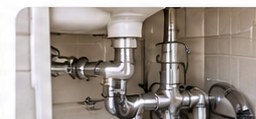
These signs can have more than one cause. Share the details with the independent provider rather than assuming a particular diagnosis.
Grease, food particles, or buildup in the trap or drain line may contribute to slow drainage.
Hair, soap residue, and personal-care products may collect around the stopper or farther into the drain.
Hair and residue can restrict flow, but repeated issues may involve a deeper section.
Odors can have multiple causes. Describe when they occur and whether the fixture is used regularly.
A provider may first ask whether one fixture or multiple fixtures are affected. The location of the clog, fixture design, and pipe access influence the available clearing method. Avoid pouring chemical drain cleaners into a line before discussing it with a service professional, especially if someone may need to work on the drain.
Contact usProviding clear symptoms can help the independent provider understand your enquiry and explain what may be needed.
Enquiries are welcome from the communities below. The independent provider must confirm availability for the specific property address.
Review the contact page for current enquiry information. Contractor response timing, service availability, and charges must be confirmed directly.
Contact us